1.1.2026
5 mins
Why Your New Year's Resolutions Keep Failing (And How to Actually Set Yourself Up for Success)

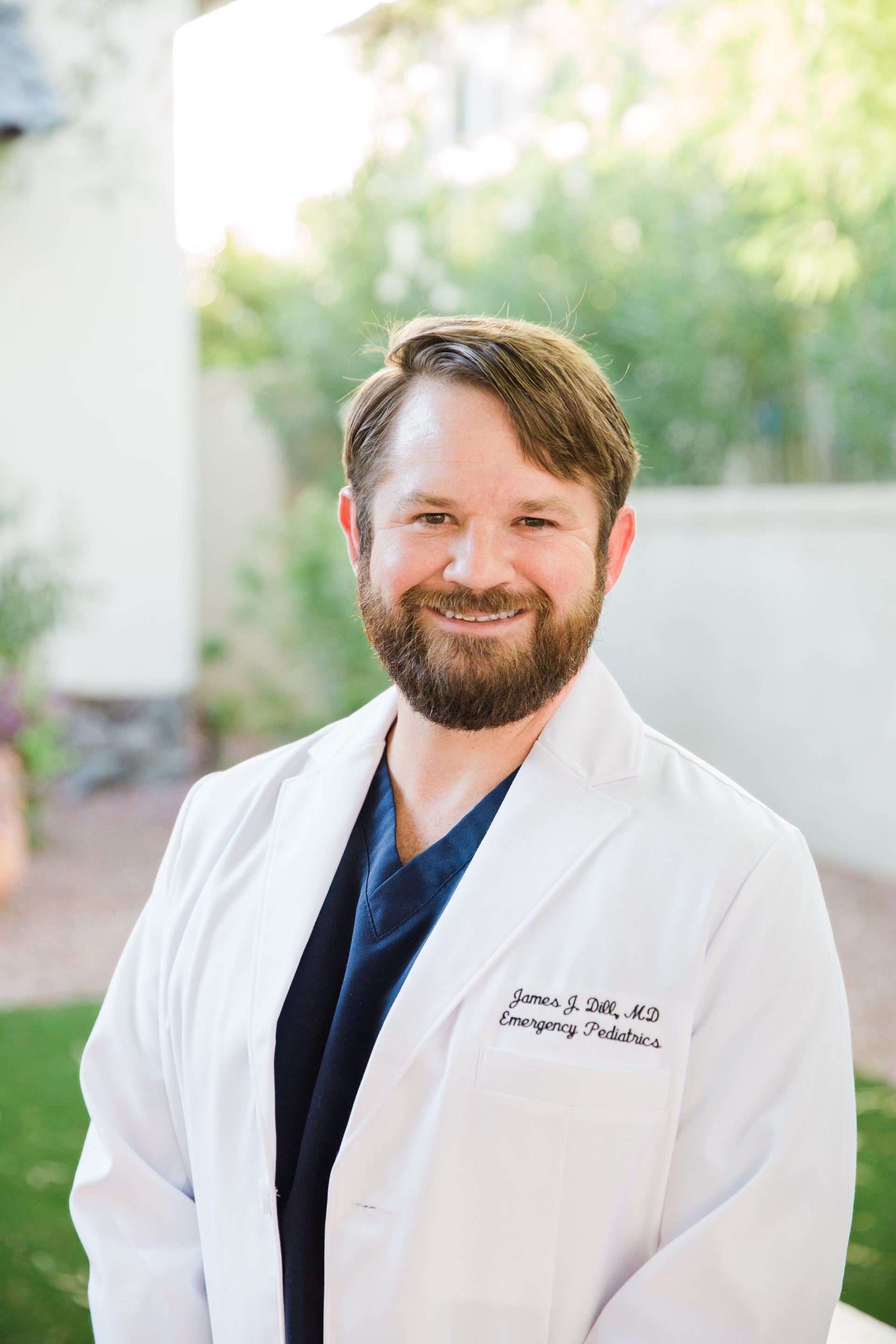
Dr. James Dill, MD
Co Founder, Rejuvenate
Every January, millions of people set ambitious goals: exercise more, eat better, finally tackle that chronic fatigue, lose weight, reduce stress. By February, 80% of these resolutions have failed—not because people lack willpower, but because they're trying to build new habits on a biological foundation that's already crumbling.
If you're entering the new year feeling exhausted rather than energized, you're not alone. And more importantly, you're not failing—your body is simply asking for support you may not realize it needs.
The Hidden Cost of the Holiday Season
Let's be honest about what most of us are carrying into January:
Disrupted sleep patterns from late nights, travel, and stress
Increased inflammation from holiday foods, alcohol, and irregular eating
Cortisol dysregulation from family dynamics, financial pressure, and end-of-year deadlines
Depleted minerals and vitamins from poor nutrition and increased stress demands
Compromised immune function from travel, indoor gatherings, and weather changes
Accumulated fatigue from months (or years) of pushing through without adequate recovery
Then January 1st arrives, and we expect ourselves to suddenly have the energy, focus, and motivation to transform our lives.
Your body doesn't work that way.
The Biology of Burnout: Why Discipline Isn't Enough
Here's what most people don't understand: willpower is downstream from biology.
When your body is dealing with:
Chronic inflammation
Mitochondrial dysfunction (your cells' ability to produce energy)
Mineral and vitamin deficiencies
HPA axis dysregulation (your stress response system)
Oxidative stress
Inadequate cellular repair
...no amount of motivation can compensate. It's like trying to drive a car with an empty gas tank and expecting positive thinking to get you to your destination.
The Inflammation-Motivation Connection
Chronic inflammation triggers the release of cytokines—proteins that signal your immune system. While this is protective in the short term, prolonged elevation creates a state called "sickness behavior," characterized by:
Fatigue and lethargy
Difficulty concentrating
Reduced motivation
Social withdrawal
Changes in sleep patterns
Sound familiar? Many people experiencing these symptoms assume they're "lazy" or "undisciplined" when they're actually dealing with a biological inflammation response.
When Your Mitochondria Can't Keep Up
Your mitochondria are the powerhouses of your cells, producing the ATP (energy currency) that fuels every single process in your body. When they're compromised by:
Chronic stress
Poor nutrition
Toxin exposure
Lack of sleep
Aging
...you literally don't have the cellular energy to sustain new behaviors, no matter how motivated you feel mentally.
This is why chronic fatigue and burnout aren't just "in your head"—they're metabolic conditions that require metabolic support.
The Mineral Depletion Nobody Talks About
Stress—physical, emotional, or chemical—dramatically increases your body's demand for key minerals:
Magnesium: Critical for 300+ enzymatic reactions, including energy production, nervous system regulation, and sleep quality. Depleted by stress, caffeine, and inadequate sleep.
B Vitamins: Essential for cellular energy production, neurotransmitter synthesis, and stress response. Water-soluble, meaning they're not stored and must be replenished daily.
Vitamin C: Your adrenal glands have the highest concentration of vitamin C in your body. During stress, demand skyrockets.
Electrolytes: Sodium, potassium, and chloride balance is disrupted by stress hormones, affecting everything from hydration to cellular communication.
When these are depleted, you experience:
Brain fog and difficulty concentrating
Persistent fatigue despite rest
Mood changes and irritability
Poor sleep quality
Reduced stress tolerance
Difficulty recovering from exercise
This is your body asking for replenishment, not punishment.
Why Traditional New Year's Approaches Fall Short
Most New Year's advice follows this pattern:
Set ambitious goals
Create detailed plans
Use willpower to execute
"Push through" when it gets hard
This works beautifully—if your biological foundation is solid. But if you're starting from a state of depletion, it's like asking someone with a broken leg to run a marathon and calling them "weak" when they can't.
The Missing Step: Biological Optimization
Before (or alongside) your behavioral changes, your body needs:
Cellular Energy Support
NAD+ therapy supports mitochondrial function by replenishing this crucial coenzyme that declines with age and stress. Many patients report that tasks that felt exhausting suddenly feel manageable again—not because they developed more willpower, but because their cells could finally produce adequate energy.
Inflammation Reduction
Chronic inflammation makes everything harder. Addressing it through proper nutrition, stress management, and targeted support like medical-grade CBD can dramatically improve how you feel day-to-day.
Nutrient Repletion
Oral supplements can help, but when you're significantly depleted, absorption is often compromised. IV nutrient therapy delivers vitamins and minerals directly to your bloodstream, bypassing digestive issues and providing immediate cellular support.
Nervous System Regulation
If your sympathetic nervous system (fight-or-flight) has been stuck in overdrive, you need to actively support parasympathetic (rest-and-digest) activation through stress management, adequate sleep, and sometimes medical intervention.
What Actually Works: The Biology-First Approach
Here's a more effective framework:
Step 1: Assess Your Starting Point (Honestly)
Before setting goals, evaluate:
Energy levels: Are you waking refreshed or exhausted? Can you sustain activity throughout the day?
Mental clarity: Is your thinking sharp or foggy? Can you concentrate on complex tasks?
Recovery capacity: Do you bounce back from stress and exertion, or does it take days to recover?
Sleep quality: Are you sleeping 7-9 hours and waking restored?
Stress resilience: Do minor stressors feel manageable or overwhelming?
If most of these are compromised, addressing your biology needs to be part of your January plan.
Step 2: Address Foundational Deficiencies
Consider comprehensive testing to identify:
Vitamin and mineral levels (especially B12, vitamin D, magnesium, iron)
Inflammatory markers
Thyroid function (including reverse T3)
Cortisol patterns
Metabolic function
Many people have been told their labs are "normal" while still feeling terrible. This is because standard reference ranges are broad, and "normal" isn't the same as "optimal."
A functional medicine approach looks for optimal ranges and addresses subclinical deficiencies before they become clinical diseases. Our physician-supervised protocols are designed to identify and address these gaps.
Step 3: Support Your Biology While Building New Habits
Rather than "willpower until it works," try "support while you build":
For Energy and Mental Clarity:
Consider NAD+ therapy to support mitochondrial function
Prioritize sleep (this isn't negotiable)
Address nutritional deficiencies
Manage blood sugar stability
For Stress and Burnout:
Our Rejuvenate Myers Blend protocol combines B vitamins, vitamin C, magnesium, and other nutrients specifically formulated for stress recovery and cellular energy
Practice actual rest (not just "not working")
Set boundaries that protect your recovery time
Consider professional support for burnout recovery
For Chronic Issues:
If you're dealing with treatment-resistant depression, chronic pain, or brain fog, these require medical attention—not just lifestyle changes
Integrated protocols that combine multiple therapeutic approaches often work better than single interventions
Work with providers who understand the interconnection between mental, physical, and metabolic health
Step 4: Set Sustainable, Biology-Aligned Goals
Once you're supporting your foundation, your goals should reflect your actual capacity:
Instead of: "Work out 5 days a week starting January 1"
Try: "Support my energy for 2-3 weeks, then gradually add movement as I feel able"
Instead of: "Completely overhaul my diet immediately"
Try: "Focus on adequate protein and hydration while I rebuild my cellular health"
Instead of: "Power through my fatigue with willpower"
Try: "Understand what's causing my fatigue and address it medically"
This isn't about lowering your standards—it's about raising your chances of success.
When to Seek Medical Support
Consider professional evaluation if you're experiencing:
Persistent fatigue despite adequate sleep
Brain fog that interferes with daily function
Mood changes that aren't improving with lifestyle changes
Chronic pain without clear cause
Sleep problems despite good sleep hygiene
Unexplained weight changes
Difficulty recovering from normal activities
Multiple failed attempts at conventional treatment
These aren't character flaws—they're biological signals that something needs attention.
Our comprehensive approach combines physician-supervised protocols with evidence-based therapies to address root causes, not just symptoms. Whether you're dealing with chronic fatigue, practitioner burnout, or complex health issues that traditional medicine hasn't resolved, integrated medical care can provide the support your body actually needs.
The Truth About Transformation
Real, sustainable transformation doesn't come from punishing an exhausted body into compliance. It comes from:
Understanding what your body needs
Providing adequate support and resources
Building new habits on a stable biological foundation
Maintaining that foundation as you grow
This is why many of our patients tell us, "I didn't suddenly get more motivated—I finally felt like my body could keep up with what my mind wanted to do."
That's what happens when biology and intention align.
Your New Year's Reset Checklist
✅ Honest assessment: Where is your biology actually starting from?
✅ Comprehensive testing: Know your baseline (vitamins, minerals, hormones, inflammation)
✅ Foundational support: Address deficiencies before demanding more of yourself
✅ Sustainable goals: Build habits your current biology can maintain
✅ Professional guidance: Work with providers who understand the whole picture
✅ Patience: Give your body time to rebuild before expecting peak performance
✅ Compassion: You're not failing—you're learning what you actually need
Moving Forward
This January, instead of asking "What can I force myself to do differently?" try asking "What does my body need to support the changes I want to make?"
The answer might be rest. It might be nutrition. It might be comprehensive medical evaluation. It might be physician-supervised protocols that address cellular energy, inflammation, and recovery.
Whatever it is, you don't have to figure it out alone.
Ready to Actually Set Yourself Up for Success?
If you're tired of failed resolutions and ready to address what's actually holding you back, we can help.
Schedule a consultation to discuss:
Comprehensive assessment of your current state
Testing to identify biological barriers to your goals
Evidence-based protocols for energy, recovery, and resilience
Medical supervision throughout your transformation
Or explore our specialized protocols:
NAD+ Therapy for cellular energy and recovery
Mind Mend Protocol for cognitive function and mental clarity
Rejuvenate Myers Blend for comprehensive nutritional support
Stacking Protocols for complex, multi-system support
You don't need a new you this year. You need support for the you that's already doing your best.
Rejuvenate is a physician-supervised medical recovery practice in Arizona specializing in evidence-based protocols for chronic conditions, burnout, and treatment-resistant health issues. Our integrated approach combines advanced therapies like ketamine, NAD+, and medical-grade CBD under medical supervision to address root causes, not just symptoms.
Ready to feel better? Book your consultation today.


Discover how Rejuvenate can transform your health and well-being.

Discover how Rejuvenate can transform your health and well-being.
Discover how Rejuvenate can transform your health and well-being.
1.1.2026
5 mins
Why Your New Year's Resolutions Keep Failing (And How to Actually Set Yourself Up for Success)
Dr. James Dill, MD
Co Founder, Rejuvenate
Every January, millions of people set ambitious goals: exercise more, eat better, finally tackle that chronic fatigue, lose weight, reduce stress. By February, 80% of these resolutions have failed—not because people lack willpower, but because they're trying to build new habits on a biological foundation that's already crumbling.
If you're entering the new year feeling exhausted rather than energized, you're not alone. And more importantly, you're not failing—your body is simply asking for support you may not realize it needs.
The Hidden Cost of the Holiday Season
Let's be honest about what most of us are carrying into January:
Disrupted sleep patterns from late nights, travel, and stress
Increased inflammation from holiday foods, alcohol, and irregular eating
Cortisol dysregulation from family dynamics, financial pressure, and end-of-year deadlines
Depleted minerals and vitamins from poor nutrition and increased stress demands
Compromised immune function from travel, indoor gatherings, and weather changes
Accumulated fatigue from months (or years) of pushing through without adequate recovery
Then January 1st arrives, and we expect ourselves to suddenly have the energy, focus, and motivation to transform our lives.
Your body doesn't work that way.
The Biology of Burnout: Why Discipline Isn't Enough
Here's what most people don't understand: willpower is downstream from biology.
When your body is dealing with:
Chronic inflammation
Mitochondrial dysfunction (your cells' ability to produce energy)
Mineral and vitamin deficiencies
HPA axis dysregulation (your stress response system)
Oxidative stress
Inadequate cellular repair
...no amount of motivation can compensate. It's like trying to drive a car with an empty gas tank and expecting positive thinking to get you to your destination.
The Inflammation-Motivation Connection
Chronic inflammation triggers the release of cytokines—proteins that signal your immune system. While this is protective in the short term, prolonged elevation creates a state called "sickness behavior," characterized by:
Fatigue and lethargy
Difficulty concentrating
Reduced motivation
Social withdrawal
Changes in sleep patterns
Sound familiar? Many people experiencing these symptoms assume they're "lazy" or "undisciplined" when they're actually dealing with a biological inflammation response.
When Your Mitochondria Can't Keep Up
Your mitochondria are the powerhouses of your cells, producing the ATP (energy currency) that fuels every single process in your body. When they're compromised by:
Chronic stress
Poor nutrition
Toxin exposure
Lack of sleep
Aging
...you literally don't have the cellular energy to sustain new behaviors, no matter how motivated you feel mentally.
This is why chronic fatigue and burnout aren't just "in your head"—they're metabolic conditions that require metabolic support.
The Mineral Depletion Nobody Talks About
Stress—physical, emotional, or chemical—dramatically increases your body's demand for key minerals:
Magnesium: Critical for 300+ enzymatic reactions, including energy production, nervous system regulation, and sleep quality. Depleted by stress, caffeine, and inadequate sleep.
B Vitamins: Essential for cellular energy production, neurotransmitter synthesis, and stress response. Water-soluble, meaning they're not stored and must be replenished daily.
Vitamin C: Your adrenal glands have the highest concentration of vitamin C in your body. During stress, demand skyrockets.
Electrolytes: Sodium, potassium, and chloride balance is disrupted by stress hormones, affecting everything from hydration to cellular communication.
When these are depleted, you experience:
Brain fog and difficulty concentrating
Persistent fatigue despite rest
Mood changes and irritability
Poor sleep quality
Reduced stress tolerance
Difficulty recovering from exercise
This is your body asking for replenishment, not punishment.
Why Traditional New Year's Approaches Fall Short
Most New Year's advice follows this pattern:
Set ambitious goals
Create detailed plans
Use willpower to execute
"Push through" when it gets hard
This works beautifully—if your biological foundation is solid. But if you're starting from a state of depletion, it's like asking someone with a broken leg to run a marathon and calling them "weak" when they can't.
The Missing Step: Biological Optimization
Before (or alongside) your behavioral changes, your body needs:
Cellular Energy Support
NAD+ therapy supports mitochondrial function by replenishing this crucial coenzyme that declines with age and stress. Many patients report that tasks that felt exhausting suddenly feel manageable again—not because they developed more willpower, but because their cells could finally produce adequate energy.
Inflammation Reduction
Chronic inflammation makes everything harder. Addressing it through proper nutrition, stress management, and targeted support like medical-grade CBD can dramatically improve how you feel day-to-day.
Nutrient Repletion
Oral supplements can help, but when you're significantly depleted, absorption is often compromised. IV nutrient therapy delivers vitamins and minerals directly to your bloodstream, bypassing digestive issues and providing immediate cellular support.
Nervous System Regulation
If your sympathetic nervous system (fight-or-flight) has been stuck in overdrive, you need to actively support parasympathetic (rest-and-digest) activation through stress management, adequate sleep, and sometimes medical intervention.
What Actually Works: The Biology-First Approach
Here's a more effective framework:
Step 1: Assess Your Starting Point (Honestly)
Before setting goals, evaluate:
Energy levels: Are you waking refreshed or exhausted? Can you sustain activity throughout the day?
Mental clarity: Is your thinking sharp or foggy? Can you concentrate on complex tasks?
Recovery capacity: Do you bounce back from stress and exertion, or does it take days to recover?
Sleep quality: Are you sleeping 7-9 hours and waking restored?
Stress resilience: Do minor stressors feel manageable or overwhelming?
If most of these are compromised, addressing your biology needs to be part of your January plan.
Step 2: Address Foundational Deficiencies
Consider comprehensive testing to identify:
Vitamin and mineral levels (especially B12, vitamin D, magnesium, iron)
Inflammatory markers
Thyroid function (including reverse T3)
Cortisol patterns
Metabolic function
Many people have been told their labs are "normal" while still feeling terrible. This is because standard reference ranges are broad, and "normal" isn't the same as "optimal."
A functional medicine approach looks for optimal ranges and addresses subclinical deficiencies before they become clinical diseases. Our physician-supervised protocols are designed to identify and address these gaps.
Step 3: Support Your Biology While Building New Habits
Rather than "willpower until it works," try "support while you build":
For Energy and Mental Clarity:
Consider NAD+ therapy to support mitochondrial function
Prioritize sleep (this isn't negotiable)
Address nutritional deficiencies
Manage blood sugar stability
For Stress and Burnout:
Our Rejuvenate Myers Blend protocol combines B vitamins, vitamin C, magnesium, and other nutrients specifically formulated for stress recovery and cellular energy
Practice actual rest (not just "not working")
Set boundaries that protect your recovery time
Consider professional support for burnout recovery
For Chronic Issues:
If you're dealing with treatment-resistant depression, chronic pain, or brain fog, these require medical attention—not just lifestyle changes
Integrated protocols that combine multiple therapeutic approaches often work better than single interventions
Work with providers who understand the interconnection between mental, physical, and metabolic health
Step 4: Set Sustainable, Biology-Aligned Goals
Once you're supporting your foundation, your goals should reflect your actual capacity:
Instead of: "Work out 5 days a week starting January 1"
Try: "Support my energy for 2-3 weeks, then gradually add movement as I feel able"
Instead of: "Completely overhaul my diet immediately"
Try: "Focus on adequate protein and hydration while I rebuild my cellular health"
Instead of: "Power through my fatigue with willpower"
Try: "Understand what's causing my fatigue and address it medically"
This isn't about lowering your standards—it's about raising your chances of success.
When to Seek Medical Support
Consider professional evaluation if you're experiencing:
Persistent fatigue despite adequate sleep
Brain fog that interferes with daily function
Mood changes that aren't improving with lifestyle changes
Chronic pain without clear cause
Sleep problems despite good sleep hygiene
Unexplained weight changes
Difficulty recovering from normal activities
Multiple failed attempts at conventional treatment
These aren't character flaws—they're biological signals that something needs attention.
Our comprehensive approach combines physician-supervised protocols with evidence-based therapies to address root causes, not just symptoms. Whether you're dealing with chronic fatigue, practitioner burnout, or complex health issues that traditional medicine hasn't resolved, integrated medical care can provide the support your body actually needs.
The Truth About Transformation
Real, sustainable transformation doesn't come from punishing an exhausted body into compliance. It comes from:
Understanding what your body needs
Providing adequate support and resources
Building new habits on a stable biological foundation
Maintaining that foundation as you grow
This is why many of our patients tell us, "I didn't suddenly get more motivated—I finally felt like my body could keep up with what my mind wanted to do."
That's what happens when biology and intention align.
Your New Year's Reset Checklist
✅ Honest assessment: Where is your biology actually starting from?
✅ Comprehensive testing: Know your baseline (vitamins, minerals, hormones, inflammation)
✅ Foundational support: Address deficiencies before demanding more of yourself
✅ Sustainable goals: Build habits your current biology can maintain
✅ Professional guidance: Work with providers who understand the whole picture
✅ Patience: Give your body time to rebuild before expecting peak performance
✅ Compassion: You're not failing—you're learning what you actually need
Moving Forward
This January, instead of asking "What can I force myself to do differently?" try asking "What does my body need to support the changes I want to make?"
The answer might be rest. It might be nutrition. It might be comprehensive medical evaluation. It might be physician-supervised protocols that address cellular energy, inflammation, and recovery.
Whatever it is, you don't have to figure it out alone.
Ready to Actually Set Yourself Up for Success?
If you're tired of failed resolutions and ready to address what's actually holding you back, we can help.
Schedule a consultation to discuss:
Comprehensive assessment of your current state
Testing to identify biological barriers to your goals
Evidence-based protocols for energy, recovery, and resilience
Medical supervision throughout your transformation
Or explore our specialized protocols:
NAD+ Therapy for cellular energy and recovery
Mind Mend Protocol for cognitive function and mental clarity
Rejuvenate Myers Blend for comprehensive nutritional support
Stacking Protocols for complex, multi-system support
You don't need a new you this year. You need support for the you that's already doing your best.
Rejuvenate is a physician-supervised medical recovery practice in Arizona specializing in evidence-based protocols for chronic conditions, burnout, and treatment-resistant health issues. Our integrated approach combines advanced therapies like ketamine, NAD+, and medical-grade CBD under medical supervision to address root causes, not just symptoms.
Ready to feel better? Book your consultation today.
Discover how Rejuvenate can transform your health and well-being.
Discover how Rejuvenate can transform your health and well-being.
Discover how Rejuvenate can transform your health and well-being.