5.1.2025
5 mins
Why ER Doctors Are Leaving Hospitals for Functional Medicine: The Growing Exodus from Emergency Medicine

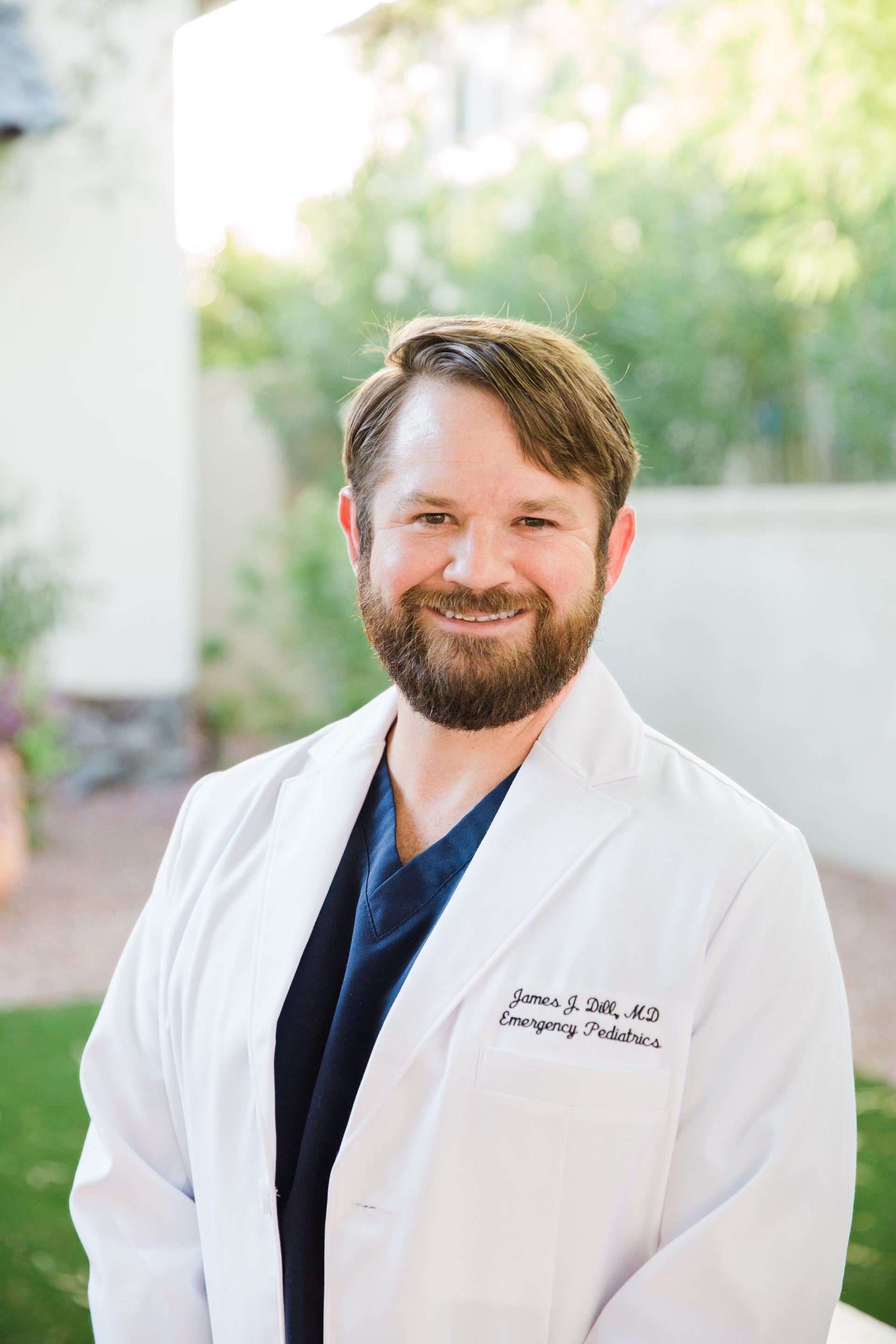
Dr. James Dill, MD
Co Founder, Rejuvenate
Emergency medicine has long been considered one of the most challenging specialties in healthcare, but recent data reveals a crisis that's pushing physicians to seek alternatives. In late 2023 and early 2024, 45.2% of physicians reported at least one symptom of burnout, with emergency medicine consistently showing the highest rates among all specialties. More alarming still, emergency medicine physicians reported the highest burnout rate at 63% in the 2024 report, a figure that has remained stubbornly high even as pandemic pressures have eased.
For many emergency physicians like Dr. James Dill, who left pediatric emergency medicine to co-found Rejuvenate IV Health and Wellness in Arizona, the decision to abandon hospital-based practice represents more than a career change—it's a reclamation of why they entered medicine in the first place.
The Emergency Medicine Burnout Crisis: By the Numbers
The statistics paint a sobering picture of the current state of emergency medicine:
Emergency medicine tops the list with a 52.2% burnout rate, significantly higher than other frontline specialties like family medicine (46.4%) and internal medicine (42%). This isn't a new phenomenon, but rather an acceleration of existing problems. Emergency physicians were 1.36 times more likely to experience burnout than workers with only a high school diploma, despite their extensive medical training.
Perhaps most concerning is the age at which physicians are leaving the specialty. The median age for male emergency physicians exhibiting attrition decreased from 59.2 years in 2013 to 53.5 years in 2019, while female physicians left even earlier, at a median age of 43.7 years. This early departure from the field represents a massive loss of experience and expertise.
From Crisis Response to Root Cause Medicine
The transition from emergency medicine to functional medicine represents a fundamental shift in medical philosophy. While emergency departments focus on acute stabilization and symptom management, functional medicine takes a systems-based approach to identifying and addressing the root causes of chronic disease.
Integrative and functional medicine physicians undergo specialized training to understand both conventional medical practices and alternative therapies, collaborating closely with patients to explore their medical histories, lifestyle habits, and emotional well-being. This comprehensive approach offers emergency physicians a stark contrast to the rapid-fire, high-stress environment of the ER.
Dr. James Dill's journey exemplifies this transition. After years in pediatric emergency medicine, where he experienced the relentless pace and bureaucratic constraints of hospital practice, he discovered that functional medicine allowed him to practice medicine the way he had always envisioned—with time to truly understand and help patients achieve lasting wellness rather than simply stabilizing acute crises.
The Business Case for Physician Independence
The financial realities of private practice versus hospital employment add another compelling dimension to this exodus. According to Medscape's 2023 Physician Compensation Report, physicians earn 8.8% more overall when they are self-employed or run a private practice. For emergency physicians accustomed to hospital employment, the prospect of building a sustainable practice outside traditional settings has become increasingly attractive.
However, the shift isn't just about money. Medscape's Self-Employed Physicians Report shows that self-employed respondents value their autonomy above all else (64%), followed by the ability to manage their own workload and productivity (38%). This autonomy becomes particularly meaningful for physicians who have spent years navigating hospital bureaucracy and insurance constraints.
The Functional Medicine Training Path
For emergency physicians considering this transition, the path to functional medicine involves additional specialized training. Several accredited institutions provide education in Integrative and Functional Medicine, teaching principles such as gut health, hormone balance, detoxification, nutrition, and lifestyle interventions.
The Institute for Functional Medicine (IFM) offers the most recognized certification pathway, with courses ranging from foundational training in Applying Functional Medicine (AFMCP)™ to advanced clinical applications. While certification is not mandatory, earning a Certified Practitioner credential can enhance credibility and career opportunities.
Breaking Free from the "Hospital Hamster Wheel"
The reasons emergency physicians cite for leaving hospital practice extend far beyond burnout statistics. The top contributors to job stress and burnout include bureaucratic tasks like charting and paperwork (62%), too many work hours (41%), and lack of respect from employers, colleagues, or staff (40%).
In functional medicine practice, these physicians find:
Extended patient consultations (60-90 minutes for initial visits versus 15-minute ER encounters)
Relationship-based care focusing on long-term patient partnerships
Treatment flexibility incorporating both conventional and complementary approaches
Practice autonomy free from hospital protocols and insurance limitations
The Practitioner Liberation Movement
What's emerging is nothing short of a practitioner liberation movement—a collective awakening among physicians that there are alternatives to the traditional healthcare system. For emergency physicians who entered medicine to help people, not to navigate administrative burden, functional medicine offers a return to their original calling.
The critical need for action has never been more apparent than after the most recent Residency Match cycle data, in which the number of unfilled emergency medicine residency positions rose from 14 in 2021 to 219 in 2022 to 555 in 2023. This dramatic increase in unfilled positions signals that even medical students are recognizing the unsustainability of traditional emergency medicine practice.
Creating Sustainable Medical Practices
The transition from emergency medicine to functional medicine isn't just about escaping burnout—it's about creating sustainable practices that serve both physicians and patients better. Emergency physicians bring unique strengths to functional medicine:
Diagnostic expertise from years of rapid assessment and decision-making
Comfort with complexity from managing multiple conditions simultaneously
Crisis management skills valuable for acute exacerbations of chronic conditions
Systems thinking developed through emergency department workflow optimization
The Arizona Example: A New Model Emerges
In Arizona, practitioners like Dr. James Dill are pioneering hybrid models that combine the best of emergency medicine training with functional medicine principles. These practices offer:
Medical credibility through physician supervision and evidence-based protocols
Comprehensive treatments combining IV therapy, ketamine protocols, and nutritional interventions
Flexible practice models including both clinic-based and mobile services
Franchise opportunities allowing other physicians to replicate successful models
Looking Forward: The Future of Physician Practice
The movement of emergency physicians into functional medicine represents more than individual career changes—it signals a fundamental shift in how physicians view their professional options. The survey data shows that by far, the most cited reason for hospital and health system acquisition had to do with payment, with eight in 10 physicians saying the need to negotiate higher payment rates was a very important reason their practice was sold.
However, for those choosing functional medicine, the motivation extends beyond financial considerations. It's about reclaiming the ability to practice medicine in alignment with their values, to spend meaningful time with patients, and to address the root causes of illness rather than simply managing symptoms.
Making the Transition: Practical Considerations
For emergency physicians considering this path, several practical steps can facilitate the transition:
Start with education: Begin functional medicine training while still employed
Network strategically: Connect with functional medicine practitioners and organizations
Gain experience gradually: Many clinicians transition into Functional Medicine gradually by incorporating its principles into their existing practice
Consider hybrid models: Maintain some emergency shifts while building a functional practice
Focus on differentiation: Leverage emergency medicine expertise as a unique selling point
The Bottom Line
The exodus of emergency physicians from hospitals to functional medicine practices reflects a broader crisis in healthcare delivery and physician wellness. With burnout rates at historic highs and early career attrition accelerating, the traditional emergency medicine model appears increasingly unsustainable.
For physicians like Dr. James Dill who have made the transition, functional medicine offers not just an escape from burnout, but a pathway to practicing medicine as they had always envisioned—with time for meaningful patient relationships, focus on root cause resolution, and the autonomy to make clinical decisions based on patient needs rather than institutional protocols.
As more emergency physicians discover these alternative practice models, we may be witnessing the early stages of a fundamental restructuring of American healthcare delivery—one driven not by policy makers or administrators, but by physicians themselves reclaiming their professional autonomy and rediscovering their passion for healing.
The message is clear: emergency physicians don't have to accept burnout as inevitable. Alternative paths exist, and increasingly, they're choosing to take them.

Discover how Rejuvenate can transform your health and well-being.

Discover how Rejuvenate can transform your health and well-being.
Discover how Rejuvenate can transform your health and well-being.
5.1.2025
5 mins
Why ER Doctors Are Leaving Hospitals for Functional Medicine: The Growing Exodus from Emergency Medicine
Dr. James Dill, MD
Co Founder, Rejuvenate
Emergency medicine has long been considered one of the most challenging specialties in healthcare, but recent data reveals a crisis that's pushing physicians to seek alternatives. In late 2023 and early 2024, 45.2% of physicians reported at least one symptom of burnout, with emergency medicine consistently showing the highest rates among all specialties. More alarming still, emergency medicine physicians reported the highest burnout rate at 63% in the 2024 report, a figure that has remained stubbornly high even as pandemic pressures have eased.
For many emergency physicians like Dr. James Dill, who left pediatric emergency medicine to co-found Rejuvenate IV Health and Wellness in Arizona, the decision to abandon hospital-based practice represents more than a career change—it's a reclamation of why they entered medicine in the first place.
The Emergency Medicine Burnout Crisis: By the Numbers
The statistics paint a sobering picture of the current state of emergency medicine:
Emergency medicine tops the list with a 52.2% burnout rate, significantly higher than other frontline specialties like family medicine (46.4%) and internal medicine (42%). This isn't a new phenomenon, but rather an acceleration of existing problems. Emergency physicians were 1.36 times more likely to experience burnout than workers with only a high school diploma, despite their extensive medical training.
Perhaps most concerning is the age at which physicians are leaving the specialty. The median age for male emergency physicians exhibiting attrition decreased from 59.2 years in 2013 to 53.5 years in 2019, while female physicians left even earlier, at a median age of 43.7 years. This early departure from the field represents a massive loss of experience and expertise.
From Crisis Response to Root Cause Medicine
The transition from emergency medicine to functional medicine represents a fundamental shift in medical philosophy. While emergency departments focus on acute stabilization and symptom management, functional medicine takes a systems-based approach to identifying and addressing the root causes of chronic disease.
Integrative and functional medicine physicians undergo specialized training to understand both conventional medical practices and alternative therapies, collaborating closely with patients to explore their medical histories, lifestyle habits, and emotional well-being. This comprehensive approach offers emergency physicians a stark contrast to the rapid-fire, high-stress environment of the ER.
Dr. James Dill's journey exemplifies this transition. After years in pediatric emergency medicine, where he experienced the relentless pace and bureaucratic constraints of hospital practice, he discovered that functional medicine allowed him to practice medicine the way he had always envisioned—with time to truly understand and help patients achieve lasting wellness rather than simply stabilizing acute crises.
The Business Case for Physician Independence
The financial realities of private practice versus hospital employment add another compelling dimension to this exodus. According to Medscape's 2023 Physician Compensation Report, physicians earn 8.8% more overall when they are self-employed or run a private practice. For emergency physicians accustomed to hospital employment, the prospect of building a sustainable practice outside traditional settings has become increasingly attractive.
However, the shift isn't just about money. Medscape's Self-Employed Physicians Report shows that self-employed respondents value their autonomy above all else (64%), followed by the ability to manage their own workload and productivity (38%). This autonomy becomes particularly meaningful for physicians who have spent years navigating hospital bureaucracy and insurance constraints.
The Functional Medicine Training Path
For emergency physicians considering this transition, the path to functional medicine involves additional specialized training. Several accredited institutions provide education in Integrative and Functional Medicine, teaching principles such as gut health, hormone balance, detoxification, nutrition, and lifestyle interventions.
The Institute for Functional Medicine (IFM) offers the most recognized certification pathway, with courses ranging from foundational training in Applying Functional Medicine (AFMCP)™ to advanced clinical applications. While certification is not mandatory, earning a Certified Practitioner credential can enhance credibility and career opportunities.
Breaking Free from the "Hospital Hamster Wheel"
The reasons emergency physicians cite for leaving hospital practice extend far beyond burnout statistics. The top contributors to job stress and burnout include bureaucratic tasks like charting and paperwork (62%), too many work hours (41%), and lack of respect from employers, colleagues, or staff (40%).
In functional medicine practice, these physicians find:
Extended patient consultations (60-90 minutes for initial visits versus 15-minute ER encounters)
Relationship-based care focusing on long-term patient partnerships
Treatment flexibility incorporating both conventional and complementary approaches
Practice autonomy free from hospital protocols and insurance limitations
The Practitioner Liberation Movement
What's emerging is nothing short of a practitioner liberation movement—a collective awakening among physicians that there are alternatives to the traditional healthcare system. For emergency physicians who entered medicine to help people, not to navigate administrative burden, functional medicine offers a return to their original calling.
The critical need for action has never been more apparent than after the most recent Residency Match cycle data, in which the number of unfilled emergency medicine residency positions rose from 14 in 2021 to 219 in 2022 to 555 in 2023. This dramatic increase in unfilled positions signals that even medical students are recognizing the unsustainability of traditional emergency medicine practice.
Creating Sustainable Medical Practices
The transition from emergency medicine to functional medicine isn't just about escaping burnout—it's about creating sustainable practices that serve both physicians and patients better. Emergency physicians bring unique strengths to functional medicine:
Diagnostic expertise from years of rapid assessment and decision-making
Comfort with complexity from managing multiple conditions simultaneously
Crisis management skills valuable for acute exacerbations of chronic conditions
Systems thinking developed through emergency department workflow optimization
The Arizona Example: A New Model Emerges
In Arizona, practitioners like Dr. James Dill are pioneering hybrid models that combine the best of emergency medicine training with functional medicine principles. These practices offer:
Medical credibility through physician supervision and evidence-based protocols
Comprehensive treatments combining IV therapy, ketamine protocols, and nutritional interventions
Flexible practice models including both clinic-based and mobile services
Franchise opportunities allowing other physicians to replicate successful models
Looking Forward: The Future of Physician Practice
The movement of emergency physicians into functional medicine represents more than individual career changes—it signals a fundamental shift in how physicians view their professional options. The survey data shows that by far, the most cited reason for hospital and health system acquisition had to do with payment, with eight in 10 physicians saying the need to negotiate higher payment rates was a very important reason their practice was sold.
However, for those choosing functional medicine, the motivation extends beyond financial considerations. It's about reclaiming the ability to practice medicine in alignment with their values, to spend meaningful time with patients, and to address the root causes of illness rather than simply managing symptoms.
Making the Transition: Practical Considerations
For emergency physicians considering this path, several practical steps can facilitate the transition:
Start with education: Begin functional medicine training while still employed
Network strategically: Connect with functional medicine practitioners and organizations
Gain experience gradually: Many clinicians transition into Functional Medicine gradually by incorporating its principles into their existing practice
Consider hybrid models: Maintain some emergency shifts while building a functional practice
Focus on differentiation: Leverage emergency medicine expertise as a unique selling point
The Bottom Line
The exodus of emergency physicians from hospitals to functional medicine practices reflects a broader crisis in healthcare delivery and physician wellness. With burnout rates at historic highs and early career attrition accelerating, the traditional emergency medicine model appears increasingly unsustainable.
For physicians like Dr. James Dill who have made the transition, functional medicine offers not just an escape from burnout, but a pathway to practicing medicine as they had always envisioned—with time for meaningful patient relationships, focus on root cause resolution, and the autonomy to make clinical decisions based on patient needs rather than institutional protocols.
As more emergency physicians discover these alternative practice models, we may be witnessing the early stages of a fundamental restructuring of American healthcare delivery—one driven not by policy makers or administrators, but by physicians themselves reclaiming their professional autonomy and rediscovering their passion for healing.
The message is clear: emergency physicians don't have to accept burnout as inevitable. Alternative paths exist, and increasingly, they're choosing to take them.
Discover how Rejuvenate can transform your health and well-being.
Discover how Rejuvenate can transform your health and well-being.
Discover how Rejuvenate can transform your health and well-being.