6.1.2025
7 mins
The Physician Burnout Crisis: A Practitioner's Solution

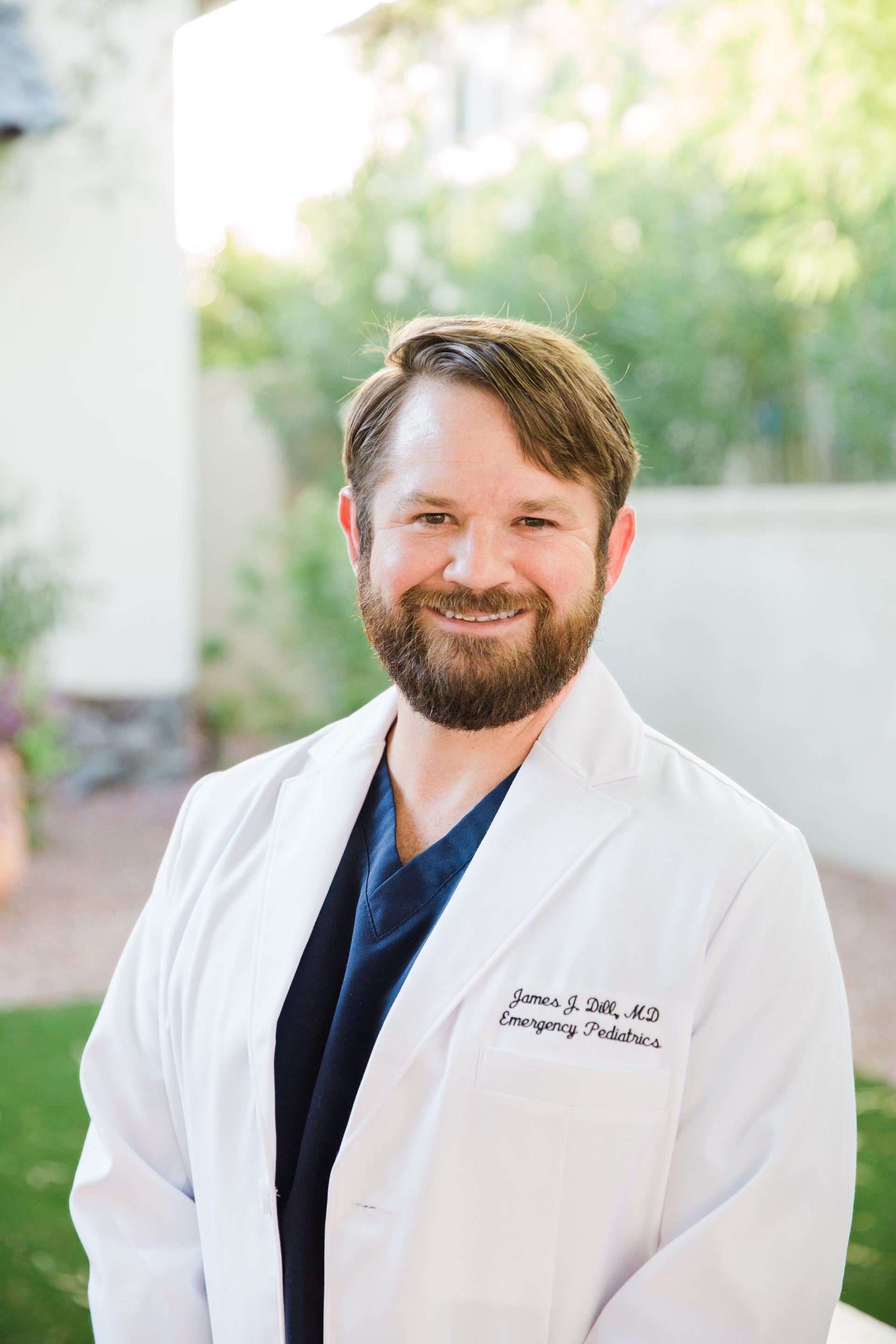
Dr. James Dill, MD
Co Founder, Rejuvenate
The moment of clarity came for me not in a dramatic emergency room crisis, but in the quiet exhaustion of yet another 80-hour week in pediatric emergency medicine. Despite saving lives and making a difference, I realized I was slowly dying inside—a victim of the very system I had devoted my life to serving.
My story isn't unique. A recently published systematic review evaluating multiple interventions for reducing burnout among resident physicians found that "although statistically significant, the effect sizes observed were considered to have small practical significance". The harsh reality? Traditional wellness programs and resilience training aren't solving the crisis. The solution, as I discovered, requires something far more radical: completely reimagining how we can practice medicine.
The Failure of Traditional Burnout "Solutions"
Healthcare systems have spent millions on physician wellness programs, yet the crisis deepens. Why? Because most interventions treat symptoms while ignoring root causes.
In a 2024 study on burnout among anesthesiologists, only 6% of participants reported that training in resilience/self-reflection/mindfulness would be a significant benefit versus 53% for reduced weekly hours and 54% for increased compensation. The message is clear: we don't need more yoga classes or meditation apps. We need fundamental systemic change.
As one researcher bluntly stated, "Healthcare providers are in a double bind that no amount of 'baby goat yoga' will fix". This stark assessment reflects what I learned firsthand—superficial wellness initiatives are merely "applying a temporary fix to a serious problem."
The True Cost of Staying
For physicians contemplating leaving medicine, the statistics validate what we're all feeling. An AMA Insurance study found that nearly one-quarter of physicians work between 61 and 80 hours per week, with 26% of physicians citing emotional stress and burnout as the primary reason for leaving medicine, while 21% point to long hours and lack of family time.
The financial implications compound the crisis. Despite our years of training and massive educational debt, 28% of physicians claimed low salary as the reason they were feeling burnt out. When the financial rewards no longer justify the personal sacrifice, we face an impossible choice: continue suffering or abandon our calling entirely.
My Transformation: From ER to Entrepreneur
My journey from pediatric emergency medicine to founding Rejuvenate IV Health and Wellness represents more than a career change—it's a complete reimagination of what practicing medicine can be. After taking a $9,000-$12,000 monthly pay cut leaving hospital employment, I discovered something unexpected: freedom.
Our new practice model offers:
Meaningful patient relationships with 60-90 minute consultations instead of 7-minute ER encounters
Clinical autonomy to prescribe treatments based on patient needs, not insurance formularies
Work-life balance with controlled schedules and actual family time
Financial independence through cash-based services and franchise opportunities
Professional fulfillment from actually helping patients achieve lasting wellness
The transformation wasn't just personal. My wife Jamie and I have built something that demonstrates a viable alternative for other burned-out practitioners, particularly those from emergency medicine backgrounds who understand complex medical cases but crave more meaningful patient interactions.
The Alternative Career Revolution We're Part Of
More doctors are choosing not to follow the typical physician career path, and I'm proud to be part of this movement. While some physicians leave medicine entirely, many of us are finding hybrid solutions that preserve our medical expertise while eliminating bureaucratic burden.
Clinical Alternatives That Preserve Patient Care
Functional and Integrative Medicine: Like what we've built at Rejuvenate, many physicians are transitioning to functional medicine, where extended consultations and root-cause analysis replace symptom management. The Institute for Functional Medicine reports thousands of physicians seeking certification annually—and I understand why.
Direct Primary Care: Concierge medicine is an appealing alternative because it allows for more flexibility. As a concierge physician, you decide exactly how many patients you want to take on, typically maintaining panels of 400-600 patients versus the 2,000-3,000 I was expected to manage in traditional practice.
Telemedicine and Digital Health: The pandemic accelerated acceptance of virtual care, creating opportunities for location-independent practice with better work-life balance—something we've incorporated into our mobile services.
Non-Clinical Paths Our Colleagues Are Taking
Education and teaching tops the list of new careers doctors are pondering, with 42% considering this field. I've watched colleagues transition to:
University faculty positions with median salaries of $166,916
Medical writing and content creation
Healthcare consulting and advisory roles
Medical technology and informatics
Pharmaceutical development and research
Residency-trained physicians, particularly those who have spent at least three to five years in patient care, find many nonclinical avenues where their skills and experience might yield gratifying work.
Building Your Escape Plan: What I Learned
1. Financial Foundation First
Before you leave your career as a physician, consider whether you have enough money to support your lifestyle if you quit your job. No matter how burnt out you are, don't make any rash moves until you have enough money to survive for a while.
What worked for us:
We built 6-12 months of emergency savings first
We understood our true expenses and lifestyle needs
We planned a gradual transition, not an abrupt departure
We carefully evaluated insurance and retirement implications
2. Test Before You Leap
If you love clinical medicine but hate your J-O-B, try changing jobs within the industry instead of leaving clinical medicine altogether. Oftentimes, it's the specifics of the job location that are burning you out.
My exploration strategies:
I shadowed practitioners in alternative settings
We took on different types of cases to test our interests
We attended conferences focused on functional medicine
We networked with physicians who'd made similar transitions
3. Invest in Transition Support
Many doctors are reluctant to ask for help, but career coaches who understand medicine can provide necessary support and "shorten the transition time dramatically and save doctors a lot of heartache". I wish I'd sought help earlier.
The Practitioner Liberation Movement We're Building
What's emerging isn't just individual physicians escaping burnout—it's a collective movement toward professional liberation. We're actively part of building this movement through our franchise model, helping other physicians escape the same trap I was in.
The biennial American Conference on Physician Health, co-sponsored by the American Medical Association, Mayo Clinic and Stanford Medicine, promotes scientific research and discourse on health system infrastructure and actionable steps organizations can take to improve physician well-being.
Online communities, coaching programs, and transition resources are proliferating. The non-clinical careers for physicians conference is an annual conference for physicians looking to switch careers, with thousands of attendees seeking alternatives. We're not alone in this journey.
Addressing the Inner Critic (Yes, I Had One Too)
I struggled with guilt about leaving traditional practice. I'd invested years in training, accumulated significant debt, and felt obligated to continue despite personal suffering. But here's what I learned: serving patients doesn't require suffering.
"It forced me to confront the fact that my work life was killing me and my family"—this quote from another physician who made the transition resonates deeply with my experience. The recognition that our wellbeing directly impacts patient care quality helped me reframe the decision not as abandonment but as evolution.
Creating Sustainable Solutions Together
The most successful transitions aren't escapes but evolutions. Jamie and I didn't abandon medicine—we transformed it. Our Rejuvenate model demonstrates how we can:
Maintain medical practice while eliminating bureaucratic burden
Improve patient outcomes through extended consultations and comprehensive care
Build scalable businesses that create opportunities for other practitioners
Achieve financial success without insurance dependence
Reclaim work-life balance while continuing to serve
The Ripple Effect We're Creating
When physicians like us successfully transition to alternative practice models, we create ripple effects:
For Patients: Better care through longer appointments and personalized treatment—our patients regularly tell us "I finally found answers"
For Other Physicians: Proof that alternatives exist—we're actively recruiting burned-out practitioners to join us
For Healthcare: Pressure on traditional systems to address burnout causes
For Communities: Access to innovative care models addressing unmet needs
Practical Resources for Your Journey
Educational Opportunities We Recommend
Institute for Functional Medicine certification programs (where we trained)
Direct Primary Care Alliance resources and mentorship
SEAK Non-Clinical Careers Conference
Healthcare Business Women's Association networking
Financial Planning Lessons We Learned
Find physician-specific financial advisors who understand career transitions
Understand student loan forgiveness implications before making changes
Plan for insurance and benefits replacement strategies
Develop a real business plan for practice startups
Support Networks That Helped Us
Physician coaching services specializing in transitions
Online communities for physicians exploring alternatives
Local physician meetups and support groups
Mental health resources addressing physician-specific challenges
The Bottom Line: Your Liberation Awaits
My transformation from burned-out emergency physician to thriving wellness entrepreneur isn't an anomaly—it's a blueprint. The physician burnout crisis won't be solved by wellness programs or resilience training. It requires us taking control of our professional destinies.
The American Medical Association's goal to "reduce documentation burden by 75% by 2025" remains aspirational, but we don't need to wait for systemic reform. The tools, resources, and successful models exist today for those ready to reclaim their professional lives.
The practitioner liberation movement isn't about abandoning medicine—it's about practicing it on our own terms. Whether through functional medicine like we've chosen, direct primary care, or entirely new applications of medical expertise, we're discovering that leaving the traditional system doesn't mean leaving our calling.
For those of you drowning in hospital bureaucracy, suffering from moral injury, or simply exhausted from fighting insurance companies, I want you to know: there is another way. Jamie and I, along with thousands of other physicians, have proven it's possible to practice medicine with joy, purpose, and financial success outside traditional constraints.
The crisis of physician burnout has reached a tipping point. But so has the movement toward liberation. The question isn't whether alternatives exist—it's whether you're ready to explore them. Your patients need you healthy, fulfilled, and practicing at your best. That might just require leaving the system that's burning you out and creating something better.
We did it. You can too. And if you're interested in joining us specifically, we're actively looking for physicians who want to be part of the solution—whether through our franchise model or simply by learning from our journey.
The practitioner liberation movement is here. Join us. Your future self—and your patients—will thank you.
Dr. James Dill, MD, is the co-founder of Rejuvenate IV Health and Wellness in Arizona, a physician-supervised medical practice specializing in ketamine therapy, NAD+ protocols, and integrative wellness. After leaving pediatric emergency medicine, he now helps other physicians escape hospital bureaucracy through franchise opportunities and alternative practice models.

Discover how Rejuvenate can transform your health and well-being.

Discover how Rejuvenate can transform your health and well-being.
Discover how Rejuvenate can transform your health and well-being.
6.1.2025
7 mins
The Physician Burnout Crisis: A Practitioner's Solution
Dr. James Dill, MD
Co Founder, Rejuvenate
The moment of clarity came for me not in a dramatic emergency room crisis, but in the quiet exhaustion of yet another 80-hour week in pediatric emergency medicine. Despite saving lives and making a difference, I realized I was slowly dying inside—a victim of the very system I had devoted my life to serving.
My story isn't unique. A recently published systematic review evaluating multiple interventions for reducing burnout among resident physicians found that "although statistically significant, the effect sizes observed were considered to have small practical significance". The harsh reality? Traditional wellness programs and resilience training aren't solving the crisis. The solution, as I discovered, requires something far more radical: completely reimagining how we can practice medicine.
The Failure of Traditional Burnout "Solutions"
Healthcare systems have spent millions on physician wellness programs, yet the crisis deepens. Why? Because most interventions treat symptoms while ignoring root causes.
In a 2024 study on burnout among anesthesiologists, only 6% of participants reported that training in resilience/self-reflection/mindfulness would be a significant benefit versus 53% for reduced weekly hours and 54% for increased compensation. The message is clear: we don't need more yoga classes or meditation apps. We need fundamental systemic change.
As one researcher bluntly stated, "Healthcare providers are in a double bind that no amount of 'baby goat yoga' will fix". This stark assessment reflects what I learned firsthand—superficial wellness initiatives are merely "applying a temporary fix to a serious problem."
The True Cost of Staying
For physicians contemplating leaving medicine, the statistics validate what we're all feeling. An AMA Insurance study found that nearly one-quarter of physicians work between 61 and 80 hours per week, with 26% of physicians citing emotional stress and burnout as the primary reason for leaving medicine, while 21% point to long hours and lack of family time.
The financial implications compound the crisis. Despite our years of training and massive educational debt, 28% of physicians claimed low salary as the reason they were feeling burnt out. When the financial rewards no longer justify the personal sacrifice, we face an impossible choice: continue suffering or abandon our calling entirely.
My Transformation: From ER to Entrepreneur
My journey from pediatric emergency medicine to founding Rejuvenate IV Health and Wellness represents more than a career change—it's a complete reimagination of what practicing medicine can be. After taking a $9,000-$12,000 monthly pay cut leaving hospital employment, I discovered something unexpected: freedom.
Our new practice model offers:
Meaningful patient relationships with 60-90 minute consultations instead of 7-minute ER encounters
Clinical autonomy to prescribe treatments based on patient needs, not insurance formularies
Work-life balance with controlled schedules and actual family time
Financial independence through cash-based services and franchise opportunities
Professional fulfillment from actually helping patients achieve lasting wellness
The transformation wasn't just personal. My wife Jamie and I have built something that demonstrates a viable alternative for other burned-out practitioners, particularly those from emergency medicine backgrounds who understand complex medical cases but crave more meaningful patient interactions.
The Alternative Career Revolution We're Part Of
More doctors are choosing not to follow the typical physician career path, and I'm proud to be part of this movement. While some physicians leave medicine entirely, many of us are finding hybrid solutions that preserve our medical expertise while eliminating bureaucratic burden.
Clinical Alternatives That Preserve Patient Care
Functional and Integrative Medicine: Like what we've built at Rejuvenate, many physicians are transitioning to functional medicine, where extended consultations and root-cause analysis replace symptom management. The Institute for Functional Medicine reports thousands of physicians seeking certification annually—and I understand why.
Direct Primary Care: Concierge medicine is an appealing alternative because it allows for more flexibility. As a concierge physician, you decide exactly how many patients you want to take on, typically maintaining panels of 400-600 patients versus the 2,000-3,000 I was expected to manage in traditional practice.
Telemedicine and Digital Health: The pandemic accelerated acceptance of virtual care, creating opportunities for location-independent practice with better work-life balance—something we've incorporated into our mobile services.
Non-Clinical Paths Our Colleagues Are Taking
Education and teaching tops the list of new careers doctors are pondering, with 42% considering this field. I've watched colleagues transition to:
University faculty positions with median salaries of $166,916
Medical writing and content creation
Healthcare consulting and advisory roles
Medical technology and informatics
Pharmaceutical development and research
Residency-trained physicians, particularly those who have spent at least three to five years in patient care, find many nonclinical avenues where their skills and experience might yield gratifying work.
Building Your Escape Plan: What I Learned
1. Financial Foundation First
Before you leave your career as a physician, consider whether you have enough money to support your lifestyle if you quit your job. No matter how burnt out you are, don't make any rash moves until you have enough money to survive for a while.
What worked for us:
We built 6-12 months of emergency savings first
We understood our true expenses and lifestyle needs
We planned a gradual transition, not an abrupt departure
We carefully evaluated insurance and retirement implications
2. Test Before You Leap
If you love clinical medicine but hate your J-O-B, try changing jobs within the industry instead of leaving clinical medicine altogether. Oftentimes, it's the specifics of the job location that are burning you out.
My exploration strategies:
I shadowed practitioners in alternative settings
We took on different types of cases to test our interests
We attended conferences focused on functional medicine
We networked with physicians who'd made similar transitions
3. Invest in Transition Support
Many doctors are reluctant to ask for help, but career coaches who understand medicine can provide necessary support and "shorten the transition time dramatically and save doctors a lot of heartache". I wish I'd sought help earlier.
The Practitioner Liberation Movement We're Building
What's emerging isn't just individual physicians escaping burnout—it's a collective movement toward professional liberation. We're actively part of building this movement through our franchise model, helping other physicians escape the same trap I was in.
The biennial American Conference on Physician Health, co-sponsored by the American Medical Association, Mayo Clinic and Stanford Medicine, promotes scientific research and discourse on health system infrastructure and actionable steps organizations can take to improve physician well-being.
Online communities, coaching programs, and transition resources are proliferating. The non-clinical careers for physicians conference is an annual conference for physicians looking to switch careers, with thousands of attendees seeking alternatives. We're not alone in this journey.
Addressing the Inner Critic (Yes, I Had One Too)
I struggled with guilt about leaving traditional practice. I'd invested years in training, accumulated significant debt, and felt obligated to continue despite personal suffering. But here's what I learned: serving patients doesn't require suffering.
"It forced me to confront the fact that my work life was killing me and my family"—this quote from another physician who made the transition resonates deeply with my experience. The recognition that our wellbeing directly impacts patient care quality helped me reframe the decision not as abandonment but as evolution.
Creating Sustainable Solutions Together
The most successful transitions aren't escapes but evolutions. Jamie and I didn't abandon medicine—we transformed it. Our Rejuvenate model demonstrates how we can:
Maintain medical practice while eliminating bureaucratic burden
Improve patient outcomes through extended consultations and comprehensive care
Build scalable businesses that create opportunities for other practitioners
Achieve financial success without insurance dependence
Reclaim work-life balance while continuing to serve
The Ripple Effect We're Creating
When physicians like us successfully transition to alternative practice models, we create ripple effects:
For Patients: Better care through longer appointments and personalized treatment—our patients regularly tell us "I finally found answers"
For Other Physicians: Proof that alternatives exist—we're actively recruiting burned-out practitioners to join us
For Healthcare: Pressure on traditional systems to address burnout causes
For Communities: Access to innovative care models addressing unmet needs
Practical Resources for Your Journey
Educational Opportunities We Recommend
Institute for Functional Medicine certification programs (where we trained)
Direct Primary Care Alliance resources and mentorship
SEAK Non-Clinical Careers Conference
Healthcare Business Women's Association networking
Financial Planning Lessons We Learned
Find physician-specific financial advisors who understand career transitions
Understand student loan forgiveness implications before making changes
Plan for insurance and benefits replacement strategies
Develop a real business plan for practice startups
Support Networks That Helped Us
Physician coaching services specializing in transitions
Online communities for physicians exploring alternatives
Local physician meetups and support groups
Mental health resources addressing physician-specific challenges
The Bottom Line: Your Liberation Awaits
My transformation from burned-out emergency physician to thriving wellness entrepreneur isn't an anomaly—it's a blueprint. The physician burnout crisis won't be solved by wellness programs or resilience training. It requires us taking control of our professional destinies.
The American Medical Association's goal to "reduce documentation burden by 75% by 2025" remains aspirational, but we don't need to wait for systemic reform. The tools, resources, and successful models exist today for those ready to reclaim their professional lives.
The practitioner liberation movement isn't about abandoning medicine—it's about practicing it on our own terms. Whether through functional medicine like we've chosen, direct primary care, or entirely new applications of medical expertise, we're discovering that leaving the traditional system doesn't mean leaving our calling.
For those of you drowning in hospital bureaucracy, suffering from moral injury, or simply exhausted from fighting insurance companies, I want you to know: there is another way. Jamie and I, along with thousands of other physicians, have proven it's possible to practice medicine with joy, purpose, and financial success outside traditional constraints.
The crisis of physician burnout has reached a tipping point. But so has the movement toward liberation. The question isn't whether alternatives exist—it's whether you're ready to explore them. Your patients need you healthy, fulfilled, and practicing at your best. That might just require leaving the system that's burning you out and creating something better.
We did it. You can too. And if you're interested in joining us specifically, we're actively looking for physicians who want to be part of the solution—whether through our franchise model or simply by learning from our journey.
The practitioner liberation movement is here. Join us. Your future self—and your patients—will thank you.
Dr. James Dill, MD, is the co-founder of Rejuvenate IV Health and Wellness in Arizona, a physician-supervised medical practice specializing in ketamine therapy, NAD+ protocols, and integrative wellness. After leaving pediatric emergency medicine, he now helps other physicians escape hospital bureaucracy through franchise opportunities and alternative practice models.
Discover how Rejuvenate can transform your health and well-being.
Discover how Rejuvenate can transform your health and well-being.
Discover how Rejuvenate can transform your health and well-being.