Nov 5, 2025
5 mins
Treatment Resistant Depression Tucson | When Nothing Works

Mark Gonzales
Co Founder, Rejuvenate
Treatment-Resistant Depression in Tucson: There's Still Hope When Everything Else Failed
If you've tried 3+ antidepressants, years of therapy, even ECT or TMS without relief, you're not broken—you just need a different approach. Our integrated protocols help 70% of "hopeless" cases.
What is treatment-resistant depression?
Treatment-resistant depression (TRD) is major depression that doesn't respond to at least two different antidepressants at adequate doses and duration. Affecting 30% of depression patients, TRD isn't a character flaw or lack of trying—it's a complex neurobiological condition requiring advanced interventions like ketamine therapy, which works through completely different brain pathways than traditional antidepressants and provides relief in 70% of TRD cases within days, not months.
The Treatment-Resistant Depression Cycle of False Hope
Your story probably sounds like this. Started with your primary care doctor who prescribed an SSRI. Three months later, no improvement, so they increased the dose. Switched to a psychiatrist who tried an SNRI. Added Wellbutrin for energy. Added Abilify to boost the antidepressant. Tried GeneSight testing to find the right medication. Attempted TMS with 31 sessions and minimal improvement. Considered or tried ECT with memory loss and temporary relief. Finally told "You're treatment-resistant" like it's your fault.
The hidden costs of TRD are devastating. Lost jobs and careers from inability to function. Destroyed relationships from emotional unavailability. Medical debt from endless treatments not covered by insurance. Physical health decline from medication side effects and depression itself. Complete loss of hope after years of failed attempts.
"I spent $50,000 and 10 years trying everything. I thought I was unfixable." - Maria S., Tucson
Your Depression Isn't "Resistant"—The Treatment Approach Is Wrong
The serotonin myth has dominated depression treatment for 40 years. We've been told depression is a "chemical imbalance" fixed by boosting serotonin. But new research reveals only 30% of depression involves serotonin, SSRIs take 6-8 weeks because they work indirectly if at all, many people have normal serotonin but severe depression, and the real problem involves broken neural connections and inflammation.
Why you're not getting better involves multiple factors. Neuroplasticity dysfunction means your brain can't form new, healthy patterns. Glutamate imbalance affects the brain's primary neurotransmitter system. Inflammation creates a depression-inducing brain condition. Mitochondrial dysfunction leaves your brain cells without energy. Trauma loops create stuck patterns traditional medications can't break.
A Completely Different Approach That Actually Works
Traditional antidepressants work indirectly, targeting monoamines like serotonin and dopamine, taking 6-8 weeks to maybe work, achieving only 30-40% response rate in TRD, and often stop working over time.
Ketamine therapy works directly, targeting NMDA and glutamate systems immediately, working within hours to days, achieving 70% response rate in TRD, and creating lasting neuroplastic changes.
The rapid reset effect follows a predictable pattern. Hours 1-2 bring NMDA receptor blockade that stops negative rumination. Days 1-3 see BDNF surge promoting new neural connections. Weeks 1-2 show new thought patterns stabilizing. Months 1-3 demonstrate sustained improvement with maintenance.
Beyond Ketamine: Complete Healing for Complex Depression
The Mind Mend TRD Protocol addresses treatment-resistant depression comprehensively. Phase 1 focuses on Rapid Relief in weeks 1-2 with 3 ketamine infusions (Monday/Thursday/Monday), CBD for inflammation reduction, B12 and folate optimization, and sleep protocol implementation.
Phase 2 emphasizes Cellular Restoration in weeks 3-4 through 3 additional ketamine sessions, NAD+ infusions for brain energy, gut health optimization, and trauma integration therapy.
Phase 3 sustains recovery in months 2-3 via maintenance ketamine every 2-3 weeks, lifestyle modification support, medication optimization to reduce or eliminate traditional antidepressants, and relapse prevention planning.
Integration matters because ketamine opens a window of neuroplasticity—what you do during that window determines lasting success.
From "Hopeless Cases" to Incredible Recoveries
Sarah's Story: "I tried 14 different medications, ECT, TMS, even experimental trials. Nothing worked until ketamine. After my third infusion, I laughed for the first time in years. Actually laughed. Six months later, I'm off all psychiatric medications and feel like myself again."
James's Journey: "Three suicide attempts, five hospitalizations. My psychiatrist said I'd never recover. Ketamine saved my life. Not just stopped the suicidal thoughts—gave me actual joy. I'm getting married next month."
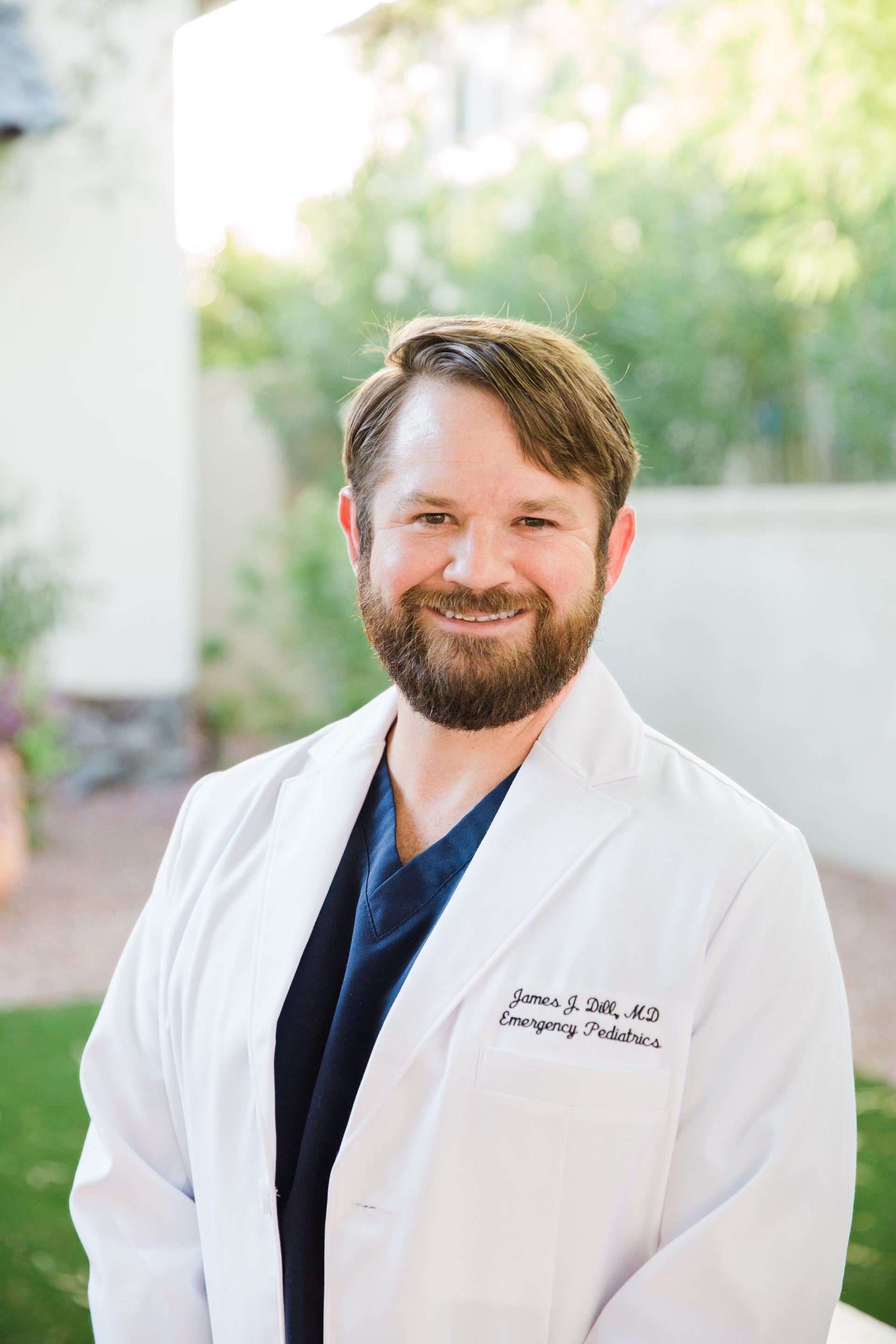
Dr. Dill's Personal Story: "After 15 years in the ER, I developed severe burnout and depression. Traditional treatments failed. Ketamine, NAD+ and lifestyle modifications gave me my life back. Now I help others escape the same trap."
Hope for the "Unhelpable"
You're an ideal candidate if you've failed 2 or more antidepressants at adequate doses, tried therapy without significant improvement, have depression with anxiety or trauma, experience physical symptoms like pain and fatigue, feel worse in the morning, have passive or active suicidal ideation, or have been told you're "treatment-resistant."
You may not be a candidate if you have active psychosis or schizophrenia, uncontrolled high blood pressure, active substance abuse (we treat after stabilization), or are currently pregnant.
Evidence-Based Protocols, Not More Experiments
Published research on ketamine for TRD shows 70% response rate (JAMA Psychiatry, 2023), rapid reduction in suicidal ideation within 24 hours, sustained improvement with maintenance therapy, enhanced neuroplasticity on brain imaging, and safety when medically supervised.
Our additional interventions enhance outcomes. NAD+ therapy restores cellular energy and neurotransmitter production. CBD IV therapy reduces neuroinflammation driving depression. Functional medicine addresses nutritional and hormonal factors. Integration support maximizes the ketamine window of opportunity.
Affordable Access to Life-Saving Treatment
TRD treatment packages include initial assessment at $450 for comprehensive evaluation, 6-session series at $2,400 saving $300, complete TRD protocol at $4,500 including NAD+ and CBD, and maintenance plans at $400/session or $1,200/month unlimited.
Financial support options include CareCredit payment plans, sliding scale for financial hardship, some insurance coverage with prior authorization, HSA/FSA acceptance, and superbills for out-of-network claims.
Frequently Asked Questions About Treatment-Resistant Depression
How is ketamine different from all the antidepressants I've tried? Ketamine works on completely different brain pathways (NMDA/glutamate) than traditional antidepressants (serotonin/dopamine). It's like using a different door when the main entrance is blocked—often successful even after 10+ medication failures.
Will I need ketamine forever? No. Most patients need 6 initial treatments, then maintenance every 2-4 weeks for several months. Many eventually space out to monthly or stop entirely while maintaining improvement.
Is ketamine safe for treatment-resistant depression? Very safe when administered by medical professionals. We use sub-anesthetic doses (1/10th of surgical doses) with continuous monitoring. Dr. Dill and Dr Gross collectively have 15+ years of experience with ketamine in emergency and non-emergency settings.
Can I stay on my current medications? Yes, initially. Ketamine is safe with most psychiatric medications. Many patients successfully reduce or eliminate other medications after improvement.
What if ketamine doesn't work for me? While 70% of TRD patients respond to ketamine, non-responders often benefit from our integrated approach including NAD+, CBD, and functional medicine interventions addressing root causes.
This Isn't Another False Hope. It's a Different Path.
You've been strong for so long. Trying treatment after treatment. Enduring side effects. Maintaining hope when everyone else would have given up.
Your strength got you here. Now let us help you the rest of the way.
Treatment-resistant depression isn't a life sentence. It's just a signal that you need a different approach. We specialize in people who've tried everything. Your complexity doesn't intimidate us—it motivates us. You don't have to suffer another day.

Discover how Rejuvenate can transform your health and well-being.

Discover how Rejuvenate can transform your health and well-being.
Discover how Rejuvenate can transform your health and well-being.
Nov 5, 2025
5 mins
Treatment Resistant Depression Tucson | When Nothing Works
Mark Gonzales
Co Founder, Rejuvenate
Treatment-Resistant Depression in Tucson: There's Still Hope When Everything Else Failed
If you've tried 3+ antidepressants, years of therapy, even ECT or TMS without relief, you're not broken—you just need a different approach. Our integrated protocols help 70% of "hopeless" cases.
What is treatment-resistant depression?
Treatment-resistant depression (TRD) is major depression that doesn't respond to at least two different antidepressants at adequate doses and duration. Affecting 30% of depression patients, TRD isn't a character flaw or lack of trying—it's a complex neurobiological condition requiring advanced interventions like ketamine therapy, which works through completely different brain pathways than traditional antidepressants and provides relief in 70% of TRD cases within days, not months.
The Treatment-Resistant Depression Cycle of False Hope
Your story probably sounds like this. Started with your primary care doctor who prescribed an SSRI. Three months later, no improvement, so they increased the dose. Switched to a psychiatrist who tried an SNRI. Added Wellbutrin for energy. Added Abilify to boost the antidepressant. Tried GeneSight testing to find the right medication. Attempted TMS with 31 sessions and minimal improvement. Considered or tried ECT with memory loss and temporary relief. Finally told "You're treatment-resistant" like it's your fault.
The hidden costs of TRD are devastating. Lost jobs and careers from inability to function. Destroyed relationships from emotional unavailability. Medical debt from endless treatments not covered by insurance. Physical health decline from medication side effects and depression itself. Complete loss of hope after years of failed attempts.
"I spent $50,000 and 10 years trying everything. I thought I was unfixable." - Maria S., Tucson
Your Depression Isn't "Resistant"—The Treatment Approach Is Wrong
The serotonin myth has dominated depression treatment for 40 years. We've been told depression is a "chemical imbalance" fixed by boosting serotonin. But new research reveals only 30% of depression involves serotonin, SSRIs take 6-8 weeks because they work indirectly if at all, many people have normal serotonin but severe depression, and the real problem involves broken neural connections and inflammation.
Why you're not getting better involves multiple factors. Neuroplasticity dysfunction means your brain can't form new, healthy patterns. Glutamate imbalance affects the brain's primary neurotransmitter system. Inflammation creates a depression-inducing brain condition. Mitochondrial dysfunction leaves your brain cells without energy. Trauma loops create stuck patterns traditional medications can't break.
A Completely Different Approach That Actually Works
Traditional antidepressants work indirectly, targeting monoamines like serotonin and dopamine, taking 6-8 weeks to maybe work, achieving only 30-40% response rate in TRD, and often stop working over time.
Ketamine therapy works directly, targeting NMDA and glutamate systems immediately, working within hours to days, achieving 70% response rate in TRD, and creating lasting neuroplastic changes.
The rapid reset effect follows a predictable pattern. Hours 1-2 bring NMDA receptor blockade that stops negative rumination. Days 1-3 see BDNF surge promoting new neural connections. Weeks 1-2 show new thought patterns stabilizing. Months 1-3 demonstrate sustained improvement with maintenance.
Beyond Ketamine: Complete Healing for Complex Depression
The Mind Mend TRD Protocol addresses treatment-resistant depression comprehensively. Phase 1 focuses on Rapid Relief in weeks 1-2 with 3 ketamine infusions (Monday/Thursday/Monday), CBD for inflammation reduction, B12 and folate optimization, and sleep protocol implementation.
Phase 2 emphasizes Cellular Restoration in weeks 3-4 through 3 additional ketamine sessions, NAD+ infusions for brain energy, gut health optimization, and trauma integration therapy.
Phase 3 sustains recovery in months 2-3 via maintenance ketamine every 2-3 weeks, lifestyle modification support, medication optimization to reduce or eliminate traditional antidepressants, and relapse prevention planning.
Integration matters because ketamine opens a window of neuroplasticity—what you do during that window determines lasting success.
From "Hopeless Cases" to Incredible Recoveries
Sarah's Story: "I tried 14 different medications, ECT, TMS, even experimental trials. Nothing worked until ketamine. After my third infusion, I laughed for the first time in years. Actually laughed. Six months later, I'm off all psychiatric medications and feel like myself again."
James's Journey: "Three suicide attempts, five hospitalizations. My psychiatrist said I'd never recover. Ketamine saved my life. Not just stopped the suicidal thoughts—gave me actual joy. I'm getting married next month."
Dr. Dill's Personal Story: "After 15 years in the ER, I developed severe burnout and depression. Traditional treatments failed. Ketamine, NAD+ and lifestyle modifications gave me my life back. Now I help others escape the same trap."
Hope for the "Unhelpable"
You're an ideal candidate if you've failed 2 or more antidepressants at adequate doses, tried therapy without significant improvement, have depression with anxiety or trauma, experience physical symptoms like pain and fatigue, feel worse in the morning, have passive or active suicidal ideation, or have been told you're "treatment-resistant."
You may not be a candidate if you have active psychosis or schizophrenia, uncontrolled high blood pressure, active substance abuse (we treat after stabilization), or are currently pregnant.
Evidence-Based Protocols, Not More Experiments
Published research on ketamine for TRD shows 70% response rate (JAMA Psychiatry, 2023), rapid reduction in suicidal ideation within 24 hours, sustained improvement with maintenance therapy, enhanced neuroplasticity on brain imaging, and safety when medically supervised.
Our additional interventions enhance outcomes. NAD+ therapy restores cellular energy and neurotransmitter production. CBD IV therapy reduces neuroinflammation driving depression. Functional medicine addresses nutritional and hormonal factors. Integration support maximizes the ketamine window of opportunity.
Affordable Access to Life-Saving Treatment
TRD treatment packages include initial assessment at $450 for comprehensive evaluation, 6-session series at $2,400 saving $300, complete TRD protocol at $4,500 including NAD+ and CBD, and maintenance plans at $400/session or $1,200/month unlimited.
Financial support options include CareCredit payment plans, sliding scale for financial hardship, some insurance coverage with prior authorization, HSA/FSA acceptance, and superbills for out-of-network claims.
Frequently Asked Questions About Treatment-Resistant Depression
How is ketamine different from all the antidepressants I've tried? Ketamine works on completely different brain pathways (NMDA/glutamate) than traditional antidepressants (serotonin/dopamine). It's like using a different door when the main entrance is blocked—often successful even after 10+ medication failures.
Will I need ketamine forever? No. Most patients need 6 initial treatments, then maintenance every 2-4 weeks for several months. Many eventually space out to monthly or stop entirely while maintaining improvement.
Is ketamine safe for treatment-resistant depression? Very safe when administered by medical professionals. We use sub-anesthetic doses (1/10th of surgical doses) with continuous monitoring. Dr. Dill and Dr Gross collectively have 15+ years of experience with ketamine in emergency and non-emergency settings.
Can I stay on my current medications? Yes, initially. Ketamine is safe with most psychiatric medications. Many patients successfully reduce or eliminate other medications after improvement.
What if ketamine doesn't work for me? While 70% of TRD patients respond to ketamine, non-responders often benefit from our integrated approach including NAD+, CBD, and functional medicine interventions addressing root causes.
This Isn't Another False Hope. It's a Different Path.
You've been strong for so long. Trying treatment after treatment. Enduring side effects. Maintaining hope when everyone else would have given up.
Your strength got you here. Now let us help you the rest of the way.
Treatment-resistant depression isn't a life sentence. It's just a signal that you need a different approach. We specialize in people who've tried everything. Your complexity doesn't intimidate us—it motivates us. You don't have to suffer another day.
Discover how Rejuvenate can transform your health and well-being.
Discover how Rejuvenate can transform your health and well-being.
Discover how Rejuvenate can transform your health and well-being.